Showing posts with label Technology. Show all posts

Monday, 13 April 2015

Teknologi Penangkapan Ikan Tuna

Image result for memancing ikan tuna

Teknologi yang digunakan dalam pemanfaatan sumber daya tuna disesuaikan dengan sifat dan tingkah laku ikan sasaran. Tuna merupakan ikan perenang cepat yang bergerombol. Oleh karena itu, alat penangkap ikan yang digunakan haruslah yang sesuai dengan perilaku ikan tersebut. Ada lima macam alat penangkap tuna, yaitu rawai tuna, huhate, handline. pukat cincin, dan jaring insang.
Rawai tuna (tuna longline)
Rawai tuna atau tuna longline adalah alat penangkap tuna yang paling efektif. Rawai tuna merupakan rangkaian sejumlah pancing yang dioperasikan sekaligus. Satu tuna longliner biasanya mengoperasikan 1.000 – 2.000 mata pancing untuk sekali turun. Rawai tuna umumnya dioperasikan di laut lepas atau mencapai perairan samudera. Alat tangkap ini bersifat pasif, menanti umpan dimakan oleh ikan sasaran. Setelah pancing diturunkan ke perairan, lalu mesin kapal dimatikan. sehingga kapal dan alat tangkap akan hanyut mengikuti arah arus atau sering disebut drifting. Drifting berlangsung selama kurang lebih empat jam. Selanjutnya mata pancing diangkat kembali ke atas kapal. Umpan longline harus bersifat atraktif. misalnya sisik ikan mengkilat, tahan di dalam air, dan tulang punggung kuat. Umpan dalam pengoperasian alat tangkap ini berfungsi sebagai alat pemikat ikan. Jenis umpan yang digunakan umumnya ikan pelagis kecil, seperti lemuru (Sardinella sp.), layang (Decopterus sp.), kembung (Rastrelliger sp.), dan bandeng (Chanos chanos).
Huhate (pole and line)
Huhate atau pole and line khusus dipakai untuk menangkap cakalang. Tak heran jika alat ini sering disebut “pancing cakalang”. Huhate dioperasikan sepanjang siang hari pada saat terdapat gerombolan ikan di sekitar kapal. Alat tangkap ini bersifat aktif. Kapal akan mengejar gerombolan ikan. Setelah gerombolan ikan berada di sekitar kapal, lalu diadakan pemancingan. Terdapat beberapa keunikan dari alat tangkap huhate. Bentuk mata pancing huhate tidak berkait seperti lazimnya mata pancing. Mata pancing huhate ditutupi bulu-bulu ayam atau potongan rafia yang halus agar tidak tampak oleh ikan. Bagian haluan kapal huhate mempunyai konstruksi khusus, dimodifikasi menjadi lebih panjang, sehingga dapat dijadikan tempat duduk oleh pemancing. Kapal huhate umumnya berukuran kecil. Di dinding bagian lambung kapal, beberapa cm di bawah dek, terdapat sprayer dan di dek terdapat beberapa tempat ikan umpan hidup. Sprayer adalah alat penyemprot air. Pemancingan dilakukan serempak oleh seluruh pemancing. Pemancing duduk di sekeliling kapal dengan pembagian kelompok berdasarkan keterampilan memancing. Pemancing I adalah pemancing paling unggul dengan kecepatan mengangkat mata pancing berikan sebesar 50-60 ekor per menit. Pemancing I diberi posisi di bagian haluan kapal, dimaksudkan agar lebih banyak ikan tertangkap. Pemancing II diberi posisi di bagian lambung kiri dan kanan kapal. Sedangkan pemancing III berposisi di bagian buritan, umumnya adalah orang-orang yang baru belajar memancing dan pemancing berusia tua yang tenaganya sudah mulai berkurang atau sudah lamban. Hal yang perlu diperhatikan adalah pada saat pemancingan dilakukan jangan ada ikan yang lolos atau jatuh kembali ke perairan, karena dapat menyebabkan gerombolan ikan menjauh dari sekitar kapal. Umpan yang digunakan adalah umpan hidup, dimaksudkan agar setelah ikan umpan dilempar ke perairan akan berusaha kembali naik ke permukaan air. Hal ini akan mengundang cakalang untuk mengikuti naik ke dekat permukaan. Selanjutnya dilakukan penyemprotan air melalui sprayer. Penyemprotan air dimaksudkan untuk mengaburkan pandangan ikan, sehingga tidak dapat membedakan antara ikan umpan sebagai makanan atau mata pancing yang sedang dioperasikan. Umpan hidup yang digunakan biasanya adalah teri (Stolephorus spp.).
Pancing ulur (handline)
Handline atau pancing ulur dioperasikan pada siang hari. Konstruksi pancing ulur sangat sederhana. Pada satu tali pancing utama dirangkaikan 2-10 mata pancing secara vertikal. Pengoperasian alat ini dibantu menggunakan rumpon sebagai alat pengumpul ikan. Pada saat pemancingan, satu rumpon dikelilingi oleh lima unit kapal, masing-masing kapal berisi 3-5 orang pemancing. Umpan yang digunakan adalah ikan segar yang dipotong-potong. Hasil tangkapan utama pancing ulur adalah tuna (Thunnus spp.).
Pukat cincin (purse seine)
Pukat cincin atau purse seine adalah sejenis jaring yang di bagian bawahnya dipasang sejumlah cincin atau gelang besi. Dewasa ini tidak terlalu banyak dilakukan penangkapan tuna menggunakan pukat cincin, kalau pun ada hanya berskala kecil. Pukat cincin dioperasikan dengan cara melingkarkan jaring terhadap gerombolan ikan. Pelingkaran dilakukan dengan cepat, kemudian secepatnya menarik purse line di antara cincin-cincin yang ada, sehingga jaring akan membentuk seperti mangkuk. Kecepatan tinggi diperlukan agar ikan tidak dapat meloloskan diri. Setelah ikan berada di dalam mangkuk jaring, lalu dilakukan pengambilan hasil tangkapan menggunakan serok atau penciduk. Pukat cincin dapat dioperasikan siang atau malam hari. Pengoperasian pada siang hari sering menggunakan rumpon atau payaos sebagai alat bantu pengumpul ikan. Sedangkan alat bantu pengumpul yang sering digunakan di malam hari adalah lampu, umumnya menggunakan lampu petromaks. Gafa et al. (1987) mengemukakan bahwa payaos selain berfungsi sebagai alat pengumpul ikan juga berfungsi sebagai penghambat pergerakan atau ruaya ikan, sehingga ikan akan berada lebih lama di sekitar payaos. Uktolseja (1987) menyatakan bahwa payaos dapat menjaga atau membantu cakalang tetap berada d lokasi pemasangannya selama 340 hari.
Jaring insang (gillnet)
Jaring insang merupakan jaring berbentuk empat persegi panjang dengan ukuran mata yang sama di sepanjang jaring. Dinamakan jaring insang karena berdasarkar cara tertangkapnya, ikan terjerat di bagian insangnya pada mata jaring. Ukuran ikan yang tertangkap relatif seragam. Pengoperasian jaring insang dilakuka secara pasif. Setelah diturunkan ke perairan, kapal dan alat dibiarkan drifting, umumnya berlangsung selama 2-3 jam. Selanjutnya dilakukan pengangkat jaring sambil melepaskan ikan hasil tangkapan ke palka.

Credit:Sumber

Monday, 15 September 2014

Cara Instal BBM untuk Android Di Samsung Galaxy W

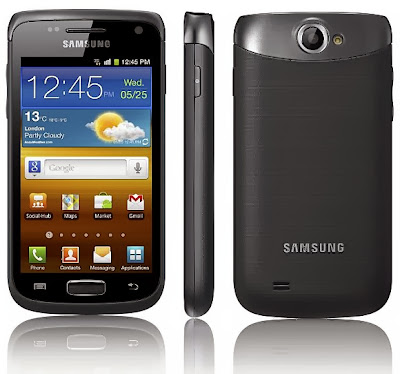
Samsung Galaxy W atau yang sering di sebut samsung galaxy wonder ini memiliki spisifikasi yang lumayan, dengan mengusung cpu 1.4 GHz Scorpion Qualcomm MSM8255T Snapdragon ditambah dengan RAM sebesar 512MB, namun sayangnya handphone Samsung Galaxy W ini masih menggunakan sistem operasi gingerbread yang tidak support aplikasi terbaik android yaitu bbm untuk android, sangat disayangkan memang, handphone sepopuler Samsung Galaxy W tidak bisa menggunakan aplikasi chating bbm untuk android.
Namun jangan berkecil hati terlebih dahulu, karena kami pada artikel ini akan memaparkan bagaimana handphone Samsung Galaxy Wonder bisa menggunakan bbm untuk anroid, tentunya sebelum kita bisa melakukan itu semua, harus ada cara-cara sendiri, intinya disini kami akan memberikan informasi tentang bagaimana memaksimalkan kinerja dari handphone Samsung Galaxy Wonder ini.

Bagaimana Cara Instal BBM untuk Android Di Samsung Galaxy W? ada dua proses yang harus anda lakukan agar bisa menggunakan bbm di Samsung Galaxy W atau galaxy wonder ini, yang pertama adalah anda harus melakukan rooting handphone Samsung Galaxy Wonder, dan yang kedua sekaligus yang terakhir adalah menginstal aplikasi bbm untuk Samsung Galaxy W, setelah semua proses tersebut telah berhasil anda lakukan maka aplikasi bbm untuk android sudah bisa digunakan sebagaimana mestinya.
Sebelum kami membahas lebih jauh tentang Cara Instal BBM untuk Android Di Samsung Galaxy Wonder mungkin ada baiknya anda melihat beberapa artikel kami tentang tips android termasuk didalamnya adalah cara instal bbm di handphone samsung, berikut adalah beberapa artikel tentang tips android yang telah kami buat:


Sekarang kita lanjut ke Cara Instal BBM untuk Android Di Samsung Galaxy W, karena handphone ini menggunakan sistem operasi android gingerbread, maka hal pertama yang harus kita lakukan adalah me rooting handphone samsung galaxy w atau wonder ini terlebih dahulu.


Instal BBM untuk android di handphone Samsung Galaxy W

Cara Instal BBM untuk Android Di Samsung Galaxy W


Cara Root handphone Samsung Galaxy W


Hal pertama untuk bisa menginstal bbm di handphone samsung galaxy wonder adalah rooting handphone samsung galaxy wonder, prosesnya sendiri tidak serumit yang anda bayangkan, karena saya telah membuat artikel tentang meroot handphone dengan sistem operasi gingerbread tanpa pc, atau dengan kata lain, anda hanya harus mendownload sejenis aplikasi lalu jalan kan di handphone lalu taraaa handphone anda sudah terrooting dengan baik.

Lalu bagaimana cara rooting handphone samsung galaxy w? untuk proses lengkapnya anda bisa membaca artikel kami tentang hal tersebut, karena kami telah membuat artikel tersebut, untuk membacanya anda bisa langsung ke artikel kami yang berjudul Cara Mudah Root Android GingerBread Tanpa Melalui PC.

Lakukan semua hal yang ada di dalam artikel tersebut, jika telah selesai kini saatnya anda untuk melanjutkan ke proses berikutnya yaitu menginstal bbm di handphone samsung galaxy w.


Cara Install BBM untuk android di handphone Samsung Galaxy W


Setelah anda meroot kini saatnya anda menginstal aplikasi bbm untuk android di handphone anda, caranya cukup mudah, sama seperti kita menginstal aplikasi biasa, namun yang membedakannya adalah aplikasinya, karena aplikasi bbm untuk android disini telah dimodifikasi untuk keperluan dan kenyamanan handphone yang tidak support aplikasi tersebut.

Bagaimana dan mana aplikasinya? untuk cara menginstal anda bisa membaca artikel kami yang berjudul Cara Download dan Install BBM di Android Gingerbread.

Setelah semuanya selesai kini saatnya untuk menjalankan aplikasi bbm untuk android di Samsung Galaxy W, seharusnya bbm sudah bisa dijalankan dengan lancar dan sebagaimana mestinya, jika masih gagal ulangi langkah yang kami berikan tadi, selamat mencoba dan semoga berhasil. 


Sumber 

More Fishing Stories:  http://Gofishtalk.com

Friday, 22 August 2014

DOWNLOAD MP3 & BACA AL-QURAN DARI SURAH 1 HINGGA 114.


  1. Surah Al-Fatihah (Pembukaan) - 
  2. Surah Al-Baqarah (Sapi Betina) -   
  3. Surah Ali 'Imran (Keluarga Imran)  -  
  4. Surah An-Nisaa' (Wanita) - 
  5. Surah Al-Maa’idah (Hidangan) -  
  6. Surah Al-An'aam (BNTG/Ternakan) -  
  7. Surah Al-A’raaf (Tempat Tinggi) -  
  8. Surah Al-Anfaal (Rampasan Perang) 
  9. Surah At-Taubah (Taubat) 
  10. Surah Yunus (Nabi Yunus a.s.) 
  11. Surah Hud (Nabi Hud a.s.) 
  12. Surah Yusuf (Nabi Yusuf a.s.)
  13. Surah Ar-Ra’d (Guruh) 
  14. Surah Ibrahim (Nabi Ibrahim a.s.)
  15. Surah Al-Hijr (Kawasan Berbatu) 
  16. Surah An-Nahl (Lebah) 
  17. Surah Al-Israa’ (Perjalanan Malam)
  18. Surah Al-Kahfi (Gua) 
  19. Surah Maryam (Siti Maryam) 
  20. Surah Taahaa
  21. Surah Al-Anbiyaa’ (Para Nabi)
  22. Surah Al-Hajj (Haji)
  23. Surah Al-Mu’minun (Golongan yang Beriman)
  24. Surah An-Nuur (Cahaya)
  25. Surah Al-Furqaan (Pembeza Kebenaran dan Kebatilan) 
  26. Surah Asy-Syu’araa (Para Penyair) 
  27. Surah An-Naml (Semut) 
  28. Surah Al-Qasas (Cerita-cerita) 
  29. Surah Al-‘Ankabut (Labah-labah)
  30. Surah Ar-Rum (Masyarakat Rom) 
  31. Surah Luqman (Luqman) 
  32. Surah As-Sajdah (Sujud) 
  33. Surah Al-Ahzab (Golongan yang Bersekutu) 
  34. Surah Saba’ (Kaum Saba’) 
  35. Surah Faatir (Pencipta) 
  36. Surah Yaasin 
  37. Surah As-Saaffat (Yang Berbaris Dengan Teratur)
  38. Surah Saad 
  39. Surah Az-Zumar (Rombongan) 
  40. Surah Al-Mu’min (Orang yang Beriman) 
  41. Surah Fussilat (Dijelaskan)
  42. Surah Asy-Syuraa (Permesyuaratan) 
  43. Surah Az-Zukhruf (Perhiasan Emas) 
  44. Surah Ad-Dukhaan (Kabut/Asap)
  45. Surah Al-Jatsiyah (Yang Berlutut)
  46. Surah Al-Ahqaaf (Bukit-bukit Pasir) 
  47. Surah Muhammad (Nabi Muhammad s.a.w.) 
  48. Surah Al-Fath (Kemenangan) 
  49. Surah Al-Hujurat (Bilik-bilik) 
  50. Surah Qaf 
  51. Surah Adz-Dzariyaat (Angin yang Menerbangkan) 
  52. Surah At-Tur (Gunung) 
  53. Surah An-Najm (Bintang)
  54. Surah Al-Qamar (Bulan) 
  55. Surah Ar-Rahman (Yang Maha Pemurah) 
  56. Surah Al-Waqi’ah (Peristiwa yang Tidak Dapat Dielakkan)
  57. Surah Al-Hadid (Besi) 
  58. Surah Al-Mujadilah (Perempuan yang Merayu) 
  59. Surah Al-Hasyr (Pengusiran)
  60. Surah Al-Mumtahanah (Perempuan yang Diuji) 
  61. Surah As-Saff (Barisan)
  62. Surah Al-Jumu’ah (Hari Jumaat)
  63. Surah Al-Munafiquun (Golongan Munafik) 
  64. Surah At-Taghabun (Saling Untung dan Rugi)
  65. Surah At-Talaq (Cerai) 
  66. Surah At-Tahrim (Mengharamkan) 
  67. Surah Al-Mulk (Kerajaan) 
  68. Surah Al-Qalam (Pen)
  69. Surah Al-Haaqqah (Keadaan Sebenar)
  70. Surah Al-Ma’arij (Tempat-tempat Naik) 
  71. Surah Nuh (Nabi Nuh a.s.) 
  72. Surah Al-Jin (Jin) 
  73. Surah Al-Muzammil (Yang Berselimut) 
  74. Surah Al-Muddathir (Yang Berselimut
  75. Surah Al-Qiamah (Kebangkitan)
  76. Surah Al-Insaan (Manusia) 
  77. Surah Al-Mursalat (Yang Diutus)
  78. Surah An-Naba’ (Berita Besar) 
  79. Surah An-Naazi’aat (Yang Mencabut) 
  80. Surah ‘Abasa (Dia Bermasam Muka) 
  81. Surah At-Takwiir (Menggulung) 
  82. Surah Al-Infitar (Pecah Belah) 
  83. Surah Al-Mutaffifiin ( Golongan yang Curang) 
  84. Surah Al-Insyiqaaq (Terbelah) 
  85. Surah Al-Buruj (Gugusan Bintang) 
  86. Surah At-Taariq (Pengunjung Malam) 
  87. Surah Al-A’laa (Yang Tertinggi)
  88. Surah Al-Ghaasyiah (Peristiwa yang Menggelisahkan) 
  89. Surah Al-Fajr (Fajar/Sinar Mentari) 
  90. Surah Al-Balad (Negeri) 
  91. Surah Asy-Syams (Matahari) 
  92. Surah Al-Lail (Malam) 
  93. Surah Adh-Dhuha (Pagi yang Cemerlang)
  94. Surah Al-Insyirah/Al-Syarah (Kelapangan)
  95. Surah At-Tin (Buah Ara) 
  96. Surah Al-‘Alaq (Gumpalan Darah) 
  97. Surah Al-Qadr (Kemuliaan) 
  98. Surah Al-Baiyinah (Bukti yang Nyata) 
  99. Surah Al-Zalzalah (Kegoncangan) 
  100. Surah Al-‘Aadiyaat (Yang Berlari Kencang)
  101. Surah Al-Qari’ah (Hari Yang Hingar Bingar) 
  102. Surah At-Takathur (Bermegah-megah) 
  103. Surah Al-‘Asr (Waktu)
  104. Surah Al-Humazah (Pengumpat)
  105. Surah Al-Fiil (Gajah) 
  106. Surah Quraisy (Kaum Quraisy)
  107. Surah Al-Ma’un (Barangan Berguna) 
  108. Surah Al-Kauthar (Melimpah-ruah) 
  109. Surah Al-Kafirun (Golongan Kafir) 
  110. Surah An-Nasr (Pertolongan)
  111. Surah Al-Lahab (Nyalaan Api) 
  112. Surah Al-Ikhlas (Tulus Ikhlas) 
  113. Surah Al-Falaq (Subuh/Dinihari) 
  114. Surah An-Nas (Manusia)

Wasallam.

Read More

Sunday, 17 August 2014

What to Know About the Basic Features of Sportfishing Sonar

 sonr028.jpg

What pulse width, pixels, zoom, and split screen features mean for sonar use.

Sonar is a major component of boating-related fishing activities. To get the most out of this electronic equipment you have to learn to use what you have well. You don’t need to be technically minded to do this, but it helps if you understand sonar’s critical elements and it’s display characteristics. This is also true when you’re evaluating the purchase of sonar.
The Smaller the Pulse Width the Better
Sonar should be able to provide good target resolution, which means not only detecting and depicting all targets, but separating them. When fish that are close together get bunched into one blob of an image, you can’t be sure what’s below, and you lose confidence in the unit.
Cone angle is one of the things that affects resolution, as do pulse width and number of pixels. Pulse is another term for signal, and transducers send out signals at such a superfast rate that a boat cannot outrun them. The distance between signals is known as pulse width. The closer the signals are to each other the better. If the signals are far apart, the distance between them may be greater than the distance between two fish in the cone; as a result, the unit may only mark one fish rather than two (or one fish rather than several). Likewise, if the pulse width is greater than the distance between a fish and the bottom, the sonar will think that the fish is a high spot on the bottom and blend it into the bottom.
Pixels, Zoom, and Split Screen
It is generally thought that the more pixels there are in the liquid crystal display of sonar, the better the resolution, and while this is generally true for midwater viewing, it is not a help for separating fish from the bottom. This is where you need to have, and use, the zoom feature and the split screen mode. Zoom gives you a much better view of the bottom and helps differentiate between fish and the bottom. This is especially helpful if the sonar also has a bottom-tracking function, so it automatically tracks the bottom area. Split screens, however, require larger display area; in units with a small display area, too much can quickly go by, especially if the machine is in fast-scroll mode.
When comparing total number of pixels, realize that vertical pixels matter most. Don’t be concerned about pixels per square inch. A high count in this regard could mask a vertical pixel count that is less than other units. Each pixel in a vertical column represents a certain portion of depth; when there are a lot of vertical pixels, each pixel represents a smaller amount of vertical depth, so it can show more detail. If a unit with 100 vertical pixels is used in 50 feet of water, each pixel represents 6 inches of coverage; if another unit has 200 vertical pixels, each pixel represents 3 inches of coverage in 50 feet of water.
Viewing Area
Some anglers think that what is displayed on a sonar screen is a depiction of the entire viewing area beneath the boat. That is not the case when the boat is moving. Although sonar constantly and immediately updates what it detects below, the screen image is built one column at a time. What is happening in real time is displayed at the far right edge of the screen. Everything to the left of that is past history. Thus, when you’re moving, what is directly below you is only shown at the far right of the screen.
Buying Considerations
Here are a few important things to look for if you’re purchasing new sonar:
  • A good backlight for illuminating the screen, and good display characteristics when the light is on.
  • An auto-save feature, which means that when the unit is turned off it retains the settings and attributes previously employed.
  • Automatic bottom tracking, so the unit constantly adjusts as depth-to-bottom changes.
  • A display that can be read from various angles with polarized sunglasses on.
  • A screen-save feature so you can save certain views and go back and study them.

Source

Thursday, 24 July 2014

Which Rod and Reel Should I Buy

Experienced Anglers and Newcomers Alike Ask this Question Every Day


I receive a lot of email asking me for advice on which rod or which reel to buy. It seems that people are somewhat convinced that there is a perfect rod or perfect reel, and that someone out there knows the brand.
The fact is, there are numerous “perfect” rods and reels, and believe it or not price is not the determining factor.

The Keys

There are several keys to determining just which rod and reel you should use.
  • What fish are you pursuing?
    The size of the fish you pursue needs to determine the relative size of your tackle. You certainly would not fish for two pound fish with offshore trolling equipment.
  • What kind of water are you fishing?
    Can you make long casts? Is there a limited space for casting? Are you on the beach or pier? The answers to all these questions play a part in your decision.
  • Are you fishing from a party boat, the shore, the beach, or a pier?
    Each of these applications will use a different type of rod and reel.

The Tackle Choices

They are numerous, but they can be broken down into some basic groups.
  • Ultralight Spinning
    This kind of outfit is ideal for small fish in confined areas. Line from two to six pound test provides a unique fighting experience, and requires some angling skill. Successfully landing a fish on this tackle is something to brag about!
  • Light and Medium Spinning
    These are the staples of the spinning category. Line sizes can range from six to as much as seventeen pound test, and the bulk of inshore saltwater fish can be caught using this tackle. They are ideal from an inshore boat, a pier, or the shore, but not in the surf.
  • Heavy Spinning
    These are the big boys, and this is the tackle you will use in an offshore trolling scenario. These reels are also used in combination with surf rods for surf fishing. Line sizes are twenty pound test and above. Lines larger than thirty pound test are about the largest that can be efficiently used on a spinning outfit.
  • Bait Casting
    These outfits are conventional reels, sometimes equipped with a level wind mechanism. They are used for casting artificial lures and plugs mainly with inshore fishing. Line weights can range from twelve to as large as twenty pound test. Line weights lighter than twelve pound test tend to bury themselves in the spool, and are extremely difficult to clear in a backlash situation. Heavier lines are more difficult to cast long distances.
  • Bottom Fishing
    Here we have what most party boats and head boats use as their mainstay. A six and a half foot boat rod with a conventional reel and line from thirty to eighty pound test makes this an outfit that can take a beating and haul big fish off the bottom. These outfits are not designed for casting, rather straight drop to the bottom from a boat.
  • Trolling
    Here is where you can get into some serious discussions about price and size. Basically like Bottom fishing tackle – that is a rod and conventional reel - these outfits can sell fro well over $1000 each. They are very specialized, and I would not recommend you purchase one without some personal advice from a professional.

My Advice

  • On all these outfits you need to be cost conscious. A high price is no assurance that you have the best deal. I own rods that cost over $300 each and reels to match. I also have rods that work just as good for which I paid under $50.
  • Reels are a slightly different matter. Every reel you pick up and spin at the tackle shop will feel smooth and silky as it turns. The test is how will it perform over time. Cheaper reels – and I mean that both from a quality and price view point – will work well for a while. But, because they use brass or plastic shims as opposed to bearings, they wear and become sloppy over time. Reels that are expensive are generally built with better quality and will have five or more sets of ball bearings. These reels will perform well for a long period of time.
  • If you fish only occasionally, a cheaper reel may suit you. If you fish a lot, I would opt for a reel that has at least three or more ball bearings. Some are advertised to have as many as eleven bearings and their price reflects the higher number.

The Bottom Line

  • Determine how much fishing you plan to do.
  • Where are you planning on fishing.
  • What kind and size of fish are you pursuing.
  • Choose the outfit that most matches these questions and your wallet at the same time.
Source

Sunday, 15 June 2014

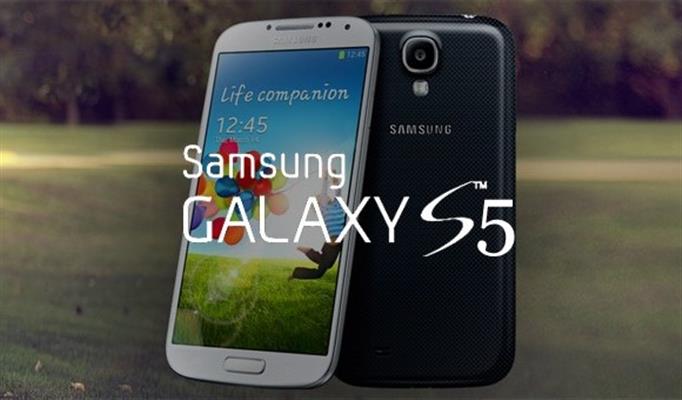
Samsung Galaxy S5 Fokus Pada Apa Yang Penting Kepada Pengguna

samsung galaxy s5 poster Samsung Galaxy S5 Fokus Pada Apa Yang Penting Kepada Pengguna
Assalamualaikum dan salam sejahtera.
Peneraju telefon pintar dunia, Samsung hari ini telah melancarkan satu lagi siri telefon pintar terbarunya. Jika sebelum ini aku dijemput menghadiri pelancaran Samsung Galaxy Note 3 di Sunway Pyramid Convention Centre, kali ini aku dijemput lagi untuk pelancaran Samsung Galaxy S5, satu lagi siri Galaxy S yang yang bakal menawan hati pengguna telefon pintar. Majlis pelancaran generasi ke 5 siri galaxy S ini telah berlangsung di Hotel Pullman Bangsar.
media yang hadir Samsung Galaxy S5 Fokus Pada Apa Yang Penting Kepada Pengguna
antara media yang hadir
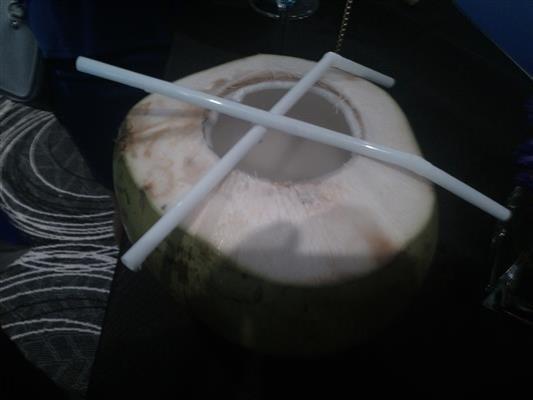
air kelapa Samsung Galaxy S5 Fokus Pada Apa Yang Penting Kepada Pengguna
welcome drink
<abbr title=”Samsung Galaxy S5″>GS5</abbr> dicipta dengan memfokuskan kepada apa keperluan pengguna masa kini. Ciri-ciri utama GS5 ini mengambil kira kegunaan harian dan gaya hidup pengguna.
GS5 menggabungkan ciri-ciri kamera yang advance, sambungan rangkaian yang laju, alat ukur kecergasan, dan perlindungan peranti yang lebih advance.
Antara 5 perkara yang ditekankan disamping fungsi-fungsi komprehensif yang lain ialah:
1. Merakamkan detik penting
Antara ciri-ciri penting yang menjadikan telefon pintar satu keperluan masa kini ialah ciri kamera yang ada padanya. Ini adalah penting untuk pengguna merakamkan detik berharga dalam hidup mereka dengan hanya menangkap gambar.
Kamera Samsung Galaxy S5 ini memang hebat. Ciri-cirinya memang terkehadapan berbanding pesaingnya. Dibekalkan dengan kamera 16 megapixel, GS5 memudahkan pengguna untuk mengambil, mengedit dan berkongsi gambar tersebut dengan rakan-rakan.
Kamera pada GS5 ini mempunyai kelajuan autofocus sehingga 0.3 saat dan dibekalkan dengan fungsi<abbr title=”High Dynamic Range”>HDR</abbr>.<dfn title=”Samsung Galaxy S5 yang telah berada di pasaran. Harga Samsung Galaxy S5 ialah RM2,399″>Ia</dfn> juga mempunyai kebolehan seperti kamera DSLR iaitu ia mampu menangkap dan fokus pada objek pilihan dan menjadikan latar belakangnya kabur. Kebolehan ini tiada pada peranti pintar yang lain setakat ini.
2. Meneroka sambungan (connection) yang terpantas
GS5 ini mampu menerima sambungan internet yang lebih maju. Ia menawarkan sambungan LTE dan WiFi yang laju untuk sebarang kegunaan.
Disokong oleh generasi ke-5 WiFi 802.11ac dan 2X2 MMO, ia amat sesuai untuk pengguna yang mementingkan kelajuan internet. Ia juga mempunyai ciri khas iaitu Download Booster, satu teknologi WiFi yang inovatif untuk menambahkan kelajuan data dengan menggabungkan WiFi dan LTE secara serentak. Dengan ini tidak kira kemana sahaja pengguna GS5 ini pergi, mereka akan mendapat sambungan internet yang laju.
3. Jadilah pengguna yang lebih sihat dan aktif
GS5 ini juga dibekalkan dengan S Health 3.0 yang membolehkan penggunanya mempunyai kehidupan yang sihat. Ia mengandungi pengesan kecergasan peribadi untuk menolong pengguna mengawal tabiat mereka. Ada juga fungsi Pedometer, Rekod Pemakanan dan Senaman, dan Sensor Kadar Denyutan Jantung.
Ia akan menjadi lebih komprehensif jika dipadankan dengan produk daripada Samsung Galaxy Gear seperti Samsung Galaxy Gear dan Samsung Galaxy Fit.
4. Bentuk yang modern dan menarik
GS5 ini mempunyai rekabentuk yang modern mengikut trend semasa menjadikannya tarikan kepada pengguna. Ia mempunyai cover pada bahagian belakang yang berlubang. Kenipisan dan bentuk berkonturnya dan didatangkan dengan warna seperti Charcoal Black, Shimmery White, Electric Blue dan Copper Gold menambahkan lagi kesempurnaan GS5 ini.
5. Perlindungan Penting Peranti
Ia adalah peranti pintar yang tahan habuk dan air. Ia selamat jika terkena air dan habuk. Namun jika terendam di dalam air dalam jangkamasa yang agak lama, ia tidak akan dapat bertahan.
Ia mempunyai fungsi cap jari di mana ia akan meningkatkan keselamatan peranti semasa membuat transaksi pembayaran di atas talian menggunakan peranti.
Satu lagi fungsi yang mengujakan ialah fungsi Ultra Power Saving Mode. Jika pengguna ingin menjimatkan bateri peranti pintar ini, hanya perlu mengaktifkan fungsi tersebut. Ia akan menukarkan secara automatik paparan kepada hitam putih, dan menutup semua ciri-ciri dan fungsi-fungsi yang menggunakan kuasa bateri yang banyak.
Samsung Galaxy S5 akan berada di pasaran malaysia daripada 11 April 2014 ke atas di Telco-Telco pilihan seperti Celcom, Digi dan Maxis dan di semua kedai peranti mudah alih. Harga yang ditawarkan untuk GS5 ini ialah RM2,399.
Tawaran daripada Telco juga harus diambil kira. Biasanya jika pakej yang disediakan oleh Telco tempatan dipilih, harganya mungkin akan menjadi lebih murah. Cuma ia akan didatangkan dengan kontrak. Lawatilah Telco pilihan anda sekarang untuk meneliti harga dan syarat-syarat kontrak yang dikenakan.
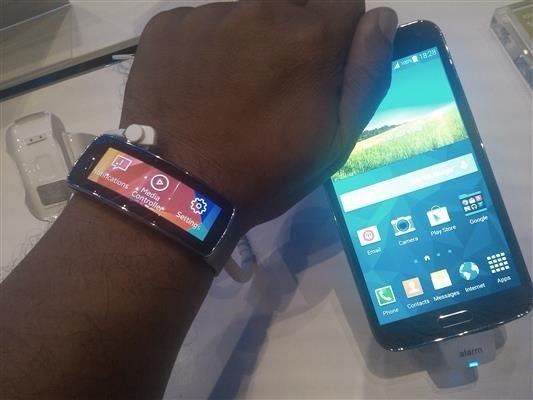
Turut dilancarkan pada majlis tersebut ialah Samsung Galaxy Gear generasi ke-2 dan Samsung galaxy Fit.
mencuba samsung galaxy fit Samsung Galaxy S5 Fokus Pada Apa Yang Penting Kepada Pengguna
Samsung Galaxy S5 memang hebat jika digandingkan dengan Samsung Galaxy Fit
Untuk informasi yang lebih lanjut, anda boleh lawati laman web samsung dan fanpage Samsung Mobile Malaysia.


Tuesday, 27 May 2014

The Electronic Angler

January 2007

Technology can greatly enhance the fishing experience — but only if you read the manual.
By Larry D. Hodge
Ah, fishing. It’s such a simple pleasure, far removed from the clang, clamor and constant communication of the modern world. It’s just you, your favorite fishing buddy, the fish and a little bit of paradise.
Really? What planet are you fishing on?
Electronic devices have burrowed into our lives so deeply that we tend to forget how pervasive and helpful — nay, essential — they have become. Let’s look at some of the ways electronics might be used in the course of a typical fishing trip.
  • You visit the TPWD Web site to get lake information.
  • You visit another Web site to check on the weather.
  • You visit a fishing Web site to get tips on where the fish have been biting and what baits they like.
  • You e-mail your fishing partner to set a meeting time and place.
  • You set your digital alarm clock so you won’t oversleep.
  • Next morning you board your vehicle (with computer-controlled ignition and fuel injection) and head out.
  • You navigate to the lake using your on-board navigation system, which uses satellites orbiting the earth to pinpoint your position.
  • At the lake, you use a combination GPS/sonar unit to find fishing spots and locate fish.
  • When your daughter catches a six-pound bass (which you weigh on your digital scale), she calls a friend on her cell phone to share the good news, takes a picture of the fish with the same device and slips the bass back beneath the waves.
  • The weather radio informs you that the dark cloud on the horizon is accompanied by lightning and high winds, so you return to the dock, using your GPS to help you navigate safely.
Let’s review. On one ordinary fishing trip, you’ve used your personal computer; a telephone system operated by computers; a worldwide network of computers linked by phone lines and satellites; a clock controlled by a radio signal from an atomic clock in Fort Collins, Colorado; numerous computer chips in the bowels of your automobile and boat; a network of satellites orbiting the earth 11,000 miles in space and transmitting electronic signals continuously; a fish finder that uses electronics to generate, send and interpret sound signals transmitted into the water; a handheld device capable of sending and receiving audio and video signals wirelessly using a nationwide electronic network; and a receiving unit linked to another nationwide network of radio stations gathering information from radar as well as electronic instruments measuring wind speed and direction, precipitation, barometric pressure and temperature — several trillion dollars worth of electronics in all, in fact. And all this doesn’t even take into account the fact that the clothes you wore and the fishing tackle you used were doubtless designed, manufactured, shipped and sold with the aid of — what else? — electronics.
All so you can catch a fish you don’t even keep. Nor do you give a second thought to miracles of communication undreamed of just a few decades ago.
The days of Hemingway-esque mano-a-mano struggles between an angler with rudimentary equipment and a primal fish no longer exist, save perhaps when kids assault neighborhood creeks and ponds with cane poles, bobbers and cans of backyard worms.
The electronic invasion is not a bad thing. Fishing today is safer, more productive and just as much if not more fun than it’s ever been, and electronics are a big part of the reason.
Finding Fish. Tournament angler Jim Behnken of Garden Ridge uses a recent experience on Choke Canyon Reservoir as an example. “I was talking to someone after the tournament about the way fish in Choke Canyon are positioned on tank dams right now,” Behnken says. “Electronics make it possible for you to go straight to a particular tank dam or channel bend and fish it. Thirty-pound bags [weight of fish caught] are not that uncommon these days, and a lot of the reason we are seeing so many fish caught is because we are using electronics.”
Finding Yourself. “With all the technology that’s out there, the one piece I could not do without anymore is my GPS,” says pro angler Tom Mann Jr. “I’m a structure fisherman, and being able to put in 20 or 25 waypoints within 3 feet of where I want to fish has been a tremendous help to me. No serious fisherman should fish without it.”
Many units combine a fish finder with a GPS (global positioning satellite) unit — and a map plotter. This one electronic marvel can, all at the same time, show you your position on a map of the lake (with the locations of underwater structure marked), the depth of the water, your speed and direction of travel, water temperature at the surface and what’s between your boat and the bottom, be it brush, fish or the meeting place of warm and cold layers of water called the thermocline. Jim Behnken points out another use. “Sometimes I get lost on my way to a boat ramp or lake, and I stop, get out of my vehicle, turn on the GPS on the boat and use it to see where I am,” he laughs.
Software is available for thousands of lakes and rivers across the nation.
Keeping in Touch. You may not think of your cell phone as an electronic fishing aid, but it can be one of the most valuable tools on your boat. Take along (or program in) numbers you might need if you have boat trouble or need law enforcement. Cell phones can be very helpful when fishing with friends in another boat — when they find fish, real friends will call to let you know. Many guides use cell phones, including those with walkie-talkie capability, for exchanging information confidentially with other guides.
Running for Cover. Not many freshwater anglers use radar (Radio Detection And Ranging), but it’s standard equipment for offshore boaters and is available for freshwater use. It’s worth considering both as a fishing aid and for safety. “You can overlay the radar on your map and see if someone is already fishing an area. It will also pick up birds working over fish,” says marine angler Richard Chapman. “It’s especially useful for spotting storms and seeing how far away they are. You can tie it into your radio and GPS, and if you need help, the unit will show the Coast Guard where you are.”
Seeing with Sound. Many advances in consumer electronics sprang from military needs. Radar was used during World War II to detect enemy planes. GPS was developed as a military navigation system. Sonar (SOund, NAvigation and Ranging) was invented as a way of detecting icebergs — remember the Titanic? — but quickly found a military use in antisubmarine warfare. Not until the 1950s and the development of transistors (invented in Dallas, thank you very much) was a practical “fish finder” possible.
A sonar unit consists of a transmitter, transducer, receiver and display. The transmitter produces an electrical impulse, which the transducer converts to a cone-shaped sound wave it sends into the water. The sound wave is reflected by the bottom and by objects in the water — stumps, fish, old roadbeds, whatever — and received by the transducer, which converts it into an electrical signal it sends to the display. This happens about 200,000 times a second in most sonar units. By a process you wouldn’t understand even if I could explain it to you, the display converts the signals into a visual depiction of the bottom and whatever is between it and the boat. Even better, the display tells you how deep the water is and at what depth fish are.
Hard objects (like a rocky bottom or a submerged, paved road) have a stronger return echo than soft objects like mud or brush. Therefore, hard objects show up as a wide line on the display’s screen, while soft ones show up as a thin line. The sensitivity of sonar units can be adjusted to show the most information without cluttering up the screen with “noise.” Most units have an automatic setting that takes care of this for you.
The Gold in Arches. Displays can be color or black and white. “Color displays are fine, but pixels are everything,” Lake Fork guide Roy Greer told me. The more vertical pixels a display screen has, the better it can show detail. Because most fish are thicker in the middle than on the ends, the pixels showing the middle of the fish appear at a higher point on the display, depicting the fish as an arched line. The more lines of vertical pixels a display has, the smaller the fish it can show as an arch. Many units have a zoom feature that enlarges all the echoes on a screen, making it easier to see arches. Some let you choose to have fish displayed as fish shapes rather than arches.
By now you’ve probably figured out that there’s more to using electronic devices than pushing the on button. Fish finders and GPS units come with an important accessory you should not leave home without: the operating manual. Yes, it’s a pain to read the instructions and practice using the built-in tutorials, but without them you will have little more than an expensive piece of boat dash dĂ©cor. “I cannot believe how many people I talk to at tournaments who don’t know how to put in a waypoint [a specific location],” says Behnken. “If you will spend a couple of hours learning how to use your electronics, you will be amazed at how many more and bigger fish you can catch. Everyone could become a better angler by learning how to use their electronics.”
Weird Science. Just when you’ve learned to operate and interpret ordinary fish finders, along comes side-imaging sonar, which uses two sonar beams directed to the sides to produce an almost three-dimensional image of what is on either side of the boat. Because the beams are reflected sideways, like rays of light, the image of an underwater tree looks very similar to the shadow of a tree illuminated by early morning or late evening sunlight. The objects are displayed with almost picture-like quality, although a bit skewed.
Anglers use a variety of sound-producing lures on the theory that fish locate food partly by hearing. The Biosonix fish attractor uses recorded sounds of predator fish feeding on prey, played through an underwater speaker, to attract fish to an area and stimulate them to bite. “I believe there are many times when the bite gets quicker with it than without it,” says Bob Holmes, a guide on Richland-Chambers Reservoir.
Interpreting sonar images can be confusing even to experienced anglers. “Looking at a sonar image, you may not be able to tell if a high point is a stump or a brushpile or something else,” says Charles Whited of San Marcos. “I use an Aqua-Vu underwater camera to see exactly what’s down there. It works best in clear water near the bottom. If there are fish on a brushpile, you can see what they are.” Even with its onboard light the camera’s range is just a few feet.
I’m a sucker for tiny technology, so a mini fish finder from Humminbird caught my eye. There’s a castable sensor you attach to your line and a display for mounting on your rod. It’s a Dick Tracy watch for anglers. The display is only 42 pixels tall (compared to 10 times that on many full-size units), so it’s difficult to see details, but you can take it anywhere and don’t need a boat to use it. And it’s just plain cute. Handheld units are available from other companies.
For me, fishing is like expecting a child. I really don’t want to know ahead of time whether the baby is a boy or a girl or whether the fish about to bite is a largemouth bass or a hybrid striper. Too much information spoils the surprise and takes away some of the anticipation. But there’s also fascination in watching the underwater world scroll across a screen and knowing if everything works as it should, something good could happen any second now.


Source